
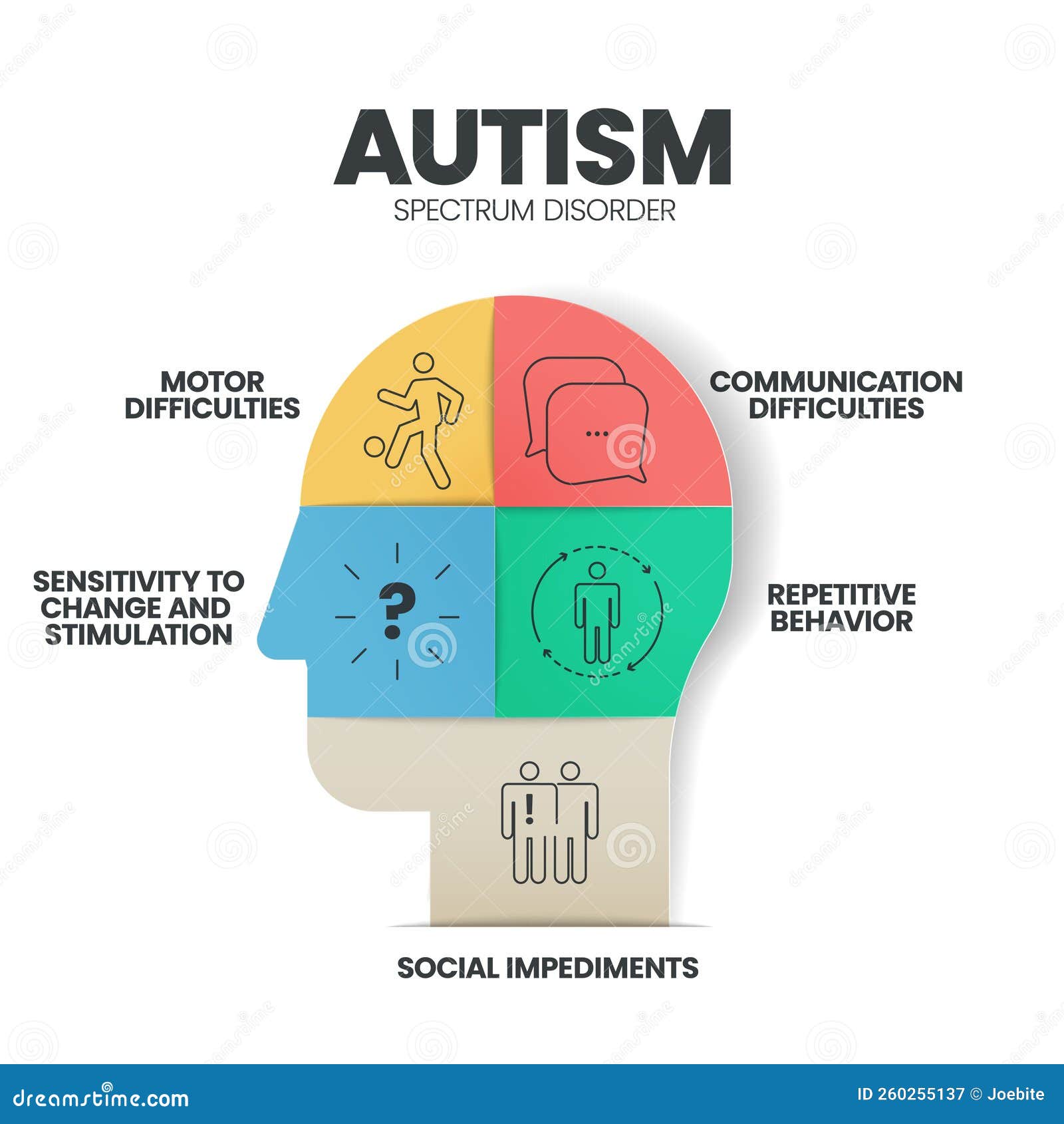
Autism, or Autism Spectrum Disorder (ASD), is a neurodevelopmental disorder that means people affected by it can have difficulties developing some skills (which vary from person to person) such as:
Here are some statistics about autism:
Autism is not defined by any common traits due to it being a spectrum, although there are some common features of autistic people. The most obvious of these are as follows:
Stimming is something autistic people do to help them calm down if they are overstimulated or overwhelmed. It can involve doing small repetitive movements that draw attention away from the thing that is overstimulating them or, more often, fidgets. Here are some of the best and most effective.
Living with autism can be a difficult experience as autistic people can be subject to severe bullying and ridicule because of their differences. But living with autism can be a blessing as well as a curse. For example: people with limited speech can often be very deep thinkers; people with emotional difficulties can be amazing at analysis and logistics; and people with passionate interests, which can seem boring to some, can be driven to do great things by persuing their passions.

People with autism, although they will try not to show it, lead very difficult lives. They can have great difficulties doing simple things that are very real to them but others might find funny and so they are scared to reveal this. So, if you do see somebody with autism trying to do something that they are finding tricky, lend a hand and don't make fun of them. Listen to their needs and wants because they will often know what is best for themselves, even if it seems unorthodox to you. Respect them for who they are and most importantly be kind and empathetic.
Autistic meltdowns occur when the person with autism in question, gets overwhelmed or overstimulated. This can occur in very loud situations, like concerts, large crowds or places with large amounts of bright, vibrabt color. They often include the person having the meltdown screaming, crying, hyperventilating, breaking or throwing stuff, rocking backwards and forwards, curling themselves up into a ball or commiting minor acts of self harm (such as banging their head against something). I one of these occurs and you are the person in question, then there is not much that you can do because you won't be in control of your own actions. But, if you are an onlooker then you should find a rsponsible adult or if you are a responsible adult, then try to stop them hurting themselves in the gentlest way possible, move them to a place where they feel calm and safe and do something that makes them feel happy, like putting on music or finding them a fidget. If this doesn't help then just let them wear themselves out in a safe space without them injuring themselves further. And remember, you and them can get through this.
People with autism are treated very badly by modern society. They experience ridicule in the form of people using autism in derogetory ways, such as 'Why are you being so freaky autistic' or 'Stop acting so autistic!' and many others. They also experience much bullying in schools worldwide for how they act or behave. This can be in the form of cyberbullying (like rude emails), physical bullying (like punching or pushing), exclusion or name calling. This can be very hurtfull and harmful. So, if you see somebody being bullied, autistic or not, then call it out or tell a responsible adult. One small action can change a life.

Depending on the diagnosis somebody has recieved they will also get a level of severity alongside. These levels range from one to three and are decided by the level of assistance the autistic person requires and how well functioning they are (low functioning meaning having lots of difficulty doing simple tasks and not being able to act in what is considered to be the norm whilst high functioning means being able to do everything normally and not needing much help). Level one means that they require support, level two means they require substantial support and level three means they require very substantial support. These are decided by the DSM-5.
Although I have tried to provide as much information as possible, I feel that these websites might be beneficial for anybody with autism. And, remember, you aren't alone and you can always find help if you neeed it.
